 Cockapoo
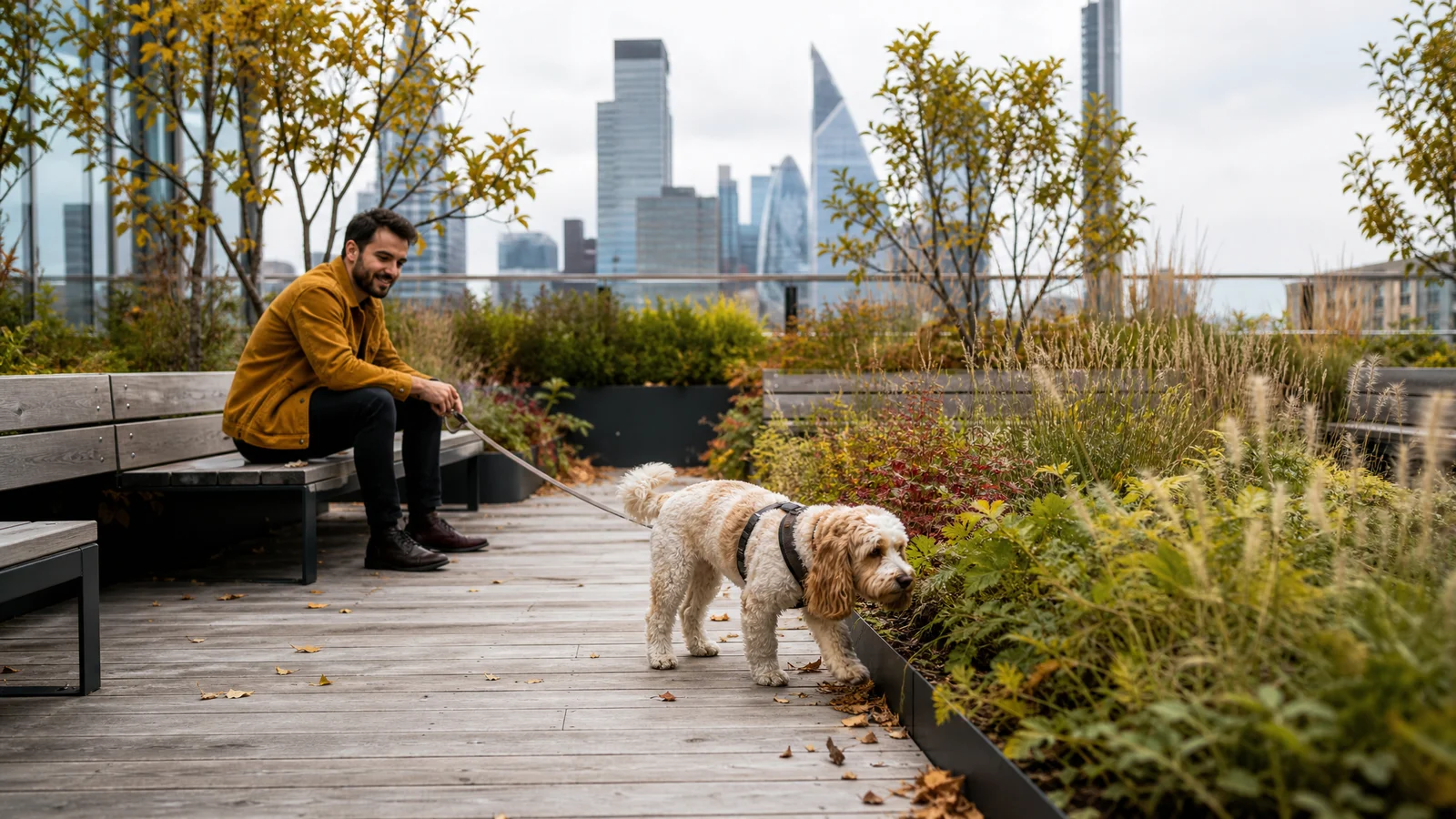
Cockapoo training starts with a limit that generic dog advice can miss. This is a designer cross, so descriptions of Poodle and Cocker Spaniel trainability, activity, or sociability identify possible influences only. They cannot tell you which rewards one dog values, what worries them, or how quickly they recover.
The individual supplies the plan. In this guide, we'll go through the decisions that turn observation into a reward system, household skills, outdoor practice, and useful troubleshooting. We will connect the pieces without assuming ancestry determines behavior, promising a timetable, or treating a quick learner as a dog who should somehow teach themselves.
Long-term reliability grows from those decisions being repeated across ordinary life. The process remains flexible enough to follow the dog as their needs change.
Training Starts With Observation
The first decision is whether the dog is ready to learn in the current setting. Look at posture, movement, breathing, interest in rewards, response to familiar people, and ability to disengage from the environment. A lesson cannot be evaluated fairly when the dog is exhausted, worried, uncomfortable, or absorbed by something more immediate. Readiness is therefore a training decision, not a character judgment.
Build a Baseline
Observe the Cockapoo during ordinary parts of the day before adding a new cue. Notice when they are rested, which rooms support attention, and what activities produce flexible engagement. Baseline behavior gives you something real to compare when a lesson becomes harder. It also reveals whether the environment, rather than the requested behavior, created the change.
Parent-breed descriptions can suggest questions about play, food, social contact, scent, or activity. Test those possibilities without expecting them. One Cockapoo may work enthusiastically for a toy, another may prefer food, and another may need distance from household movement before either reward becomes relevant.
Choose the First Skill
Select a behavior that solves a real household need and can be taught in a simple setting. Responding to a name, touching a target, moving to a mat, or following through a doorway can create a shared language. Avoid beginning with a vague demand for obedience that nobody can define.
- Name the exact action you want to see, such as turning toward you or placing paws on a mat.
- Choose a room where the dog can notice the cue without competing household traffic.
- Prepare a reward they have already shown they value in that context.
- Decide how you will make the exercise easier if the first version is unclear.
This baseline also protects the dog from deterministic explanations. If the Cockapoo disengages, the answer is not automatically a sensitive Cocker side or an independent Poodle side. Check comfort, clarity, reward value, and difficulty before using ancestry to explain behavior.
Cockapoo Training Rewards
The second decision is how the dog will know which choice worked and why the outcome is worth repeating. Reward-based training is not simply handing out treats after activity. It is arranging a clear relationship between behavior, a marker, and an outcome the Cockapoo currently values. Every later household and outdoor skill depends on that relationship remaining readable.
Mark the Moment
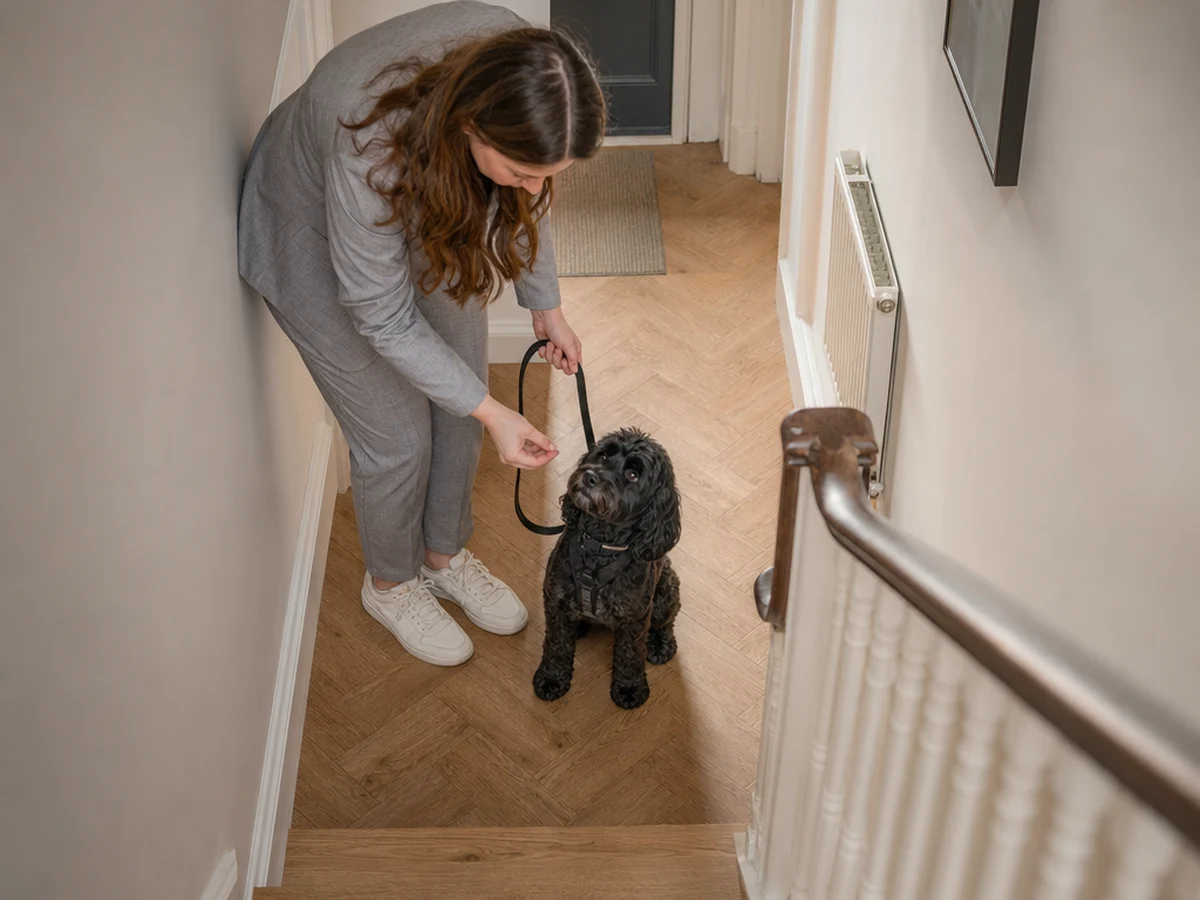
Choose a short word or click and use it at the successful instant. The marker should arrive as the dog performs the behavior, followed promptly by the reward. If timing drifts until after the dog jumps, turns away, or changes position, the information becomes less precise.
Practice your mechanics without the dog if necessary. Hold rewards where you can reach them, decide which hand will deliver them, and keep the leash or target from competing with the motion. Smooth handling leaves more attention for reading the dog.
Match the Outcome
Food is convenient, but play, praise, sniffing, access, distance, and continued movement may also matter. Compare choices in a low-pressure setting and watch what the dog returns to obtain. Reward preference can change with hunger, excitement, stress, and the environment.
- Use small food rewards when quick delivery helps several easy repetitions.
- Use a brief toy exchange when play increases focus without making the next step too difficult.
- Use access to sniffing or movement when the environment itself is the strongest safe reward.
- Use distance when moving away helps the dog feel comfortable and able to re-engage.
Keep Structure Humane
The humane training standard supports reward-based teaching. Structure means controlling access and designing achievable choices without adding fear or pain.
The reward training guidance explains that valued outcomes increase the chance of behavior recurring. That principle becomes your system: identify the answer, mark it, reward it, and adjust only after the dog can repeat it comfortably.
Household Training Decisions
The third decision is which household skills deserve priority. Potty habits, rest, handling, greetings, and waiting at boundaries affect daily life more than a long list of decorative cues. Teach each skill in the place where it will be used, then connect it to the same marker-and-reward system. Shared mechanics prevent the home from feeling like several unrelated training programs.
Potty Habits
House training depends on timely opportunities, a clear outdoor destination, active supervision, and immediate reinforcement. Our Cockapoo potty training guide organizes the process around daily transitions and earned freedom. It treats accidents as scheduling information instead of evidence about temperament.
Keep the toilet trip quiet until the dog finishes, reward at the outdoor location, and allow safe exploration afterward. That order makes the destination clear while preserving something enjoyable beyond elimination. Adjust opportunity timing from the puppy's observed pattern rather than a universal clock.
Rest and Distance
Settling near people, resting behind a barrier, and remaining comfortable during absence are related but distinct abilities. The Cockapoo crate training guide builds voluntary entry and calm door work before adding distance. Separating the layers keeps one hard step from clouding the others.
Reward calm while the household remains ordinary. Stand, sit, move an object, or take a step away, then return before concern builds. A possible people-oriented influence from either parent does not make distress inevitable or justify rushing the dog through it.
Handling and Grooming
Make touch a predictable exchange. Pair brief easy contact with a reward, then pause before applying the same pattern to grooming.
- Start with a body area and movement the Cockapoo already accepts comfortably.
- Keep contact brief enough that the dog can remain engaged rather than enduring a long session.
- Pair tools with rewards before expecting brushing, clipping sounds, or sustained handling.
- Pause when posture tightens, escape attempts increase, or reward interest changes unexpectedly.
Polite Greetings
Decide which behavior opens access to a person. Four paws on the ground, a hand target, or a pause beside you can all work if every greeter follows the same rule. Remove social access briefly when the chosen behavior disappears, then offer another achievable chance.
Do not require every Cockapoo to greet. A dog who prefers distance should be rewarded for moving with you or settling away from visitors. Social descriptions of the parent breeds are possible influences, not an obligation for the cross to enjoy contact with every person or dog.
Outdoor Training Decisions
The fourth decision is how much environmental difficulty to add. Outdoor learning is not an indoor skill copied into a larger room. Smells, movement, weather, surfaces, people, and dogs compete with the training system, so begin where the Cockapoo can still notice the cue and use the reward. Outdoor reliability grows from protecting that starting point.
Attention Before Position
Reward voluntary attention before precise position. Mark a glance, pay it, and release the dog to safe sniffing when appropriate.
Loose-Leash Movement
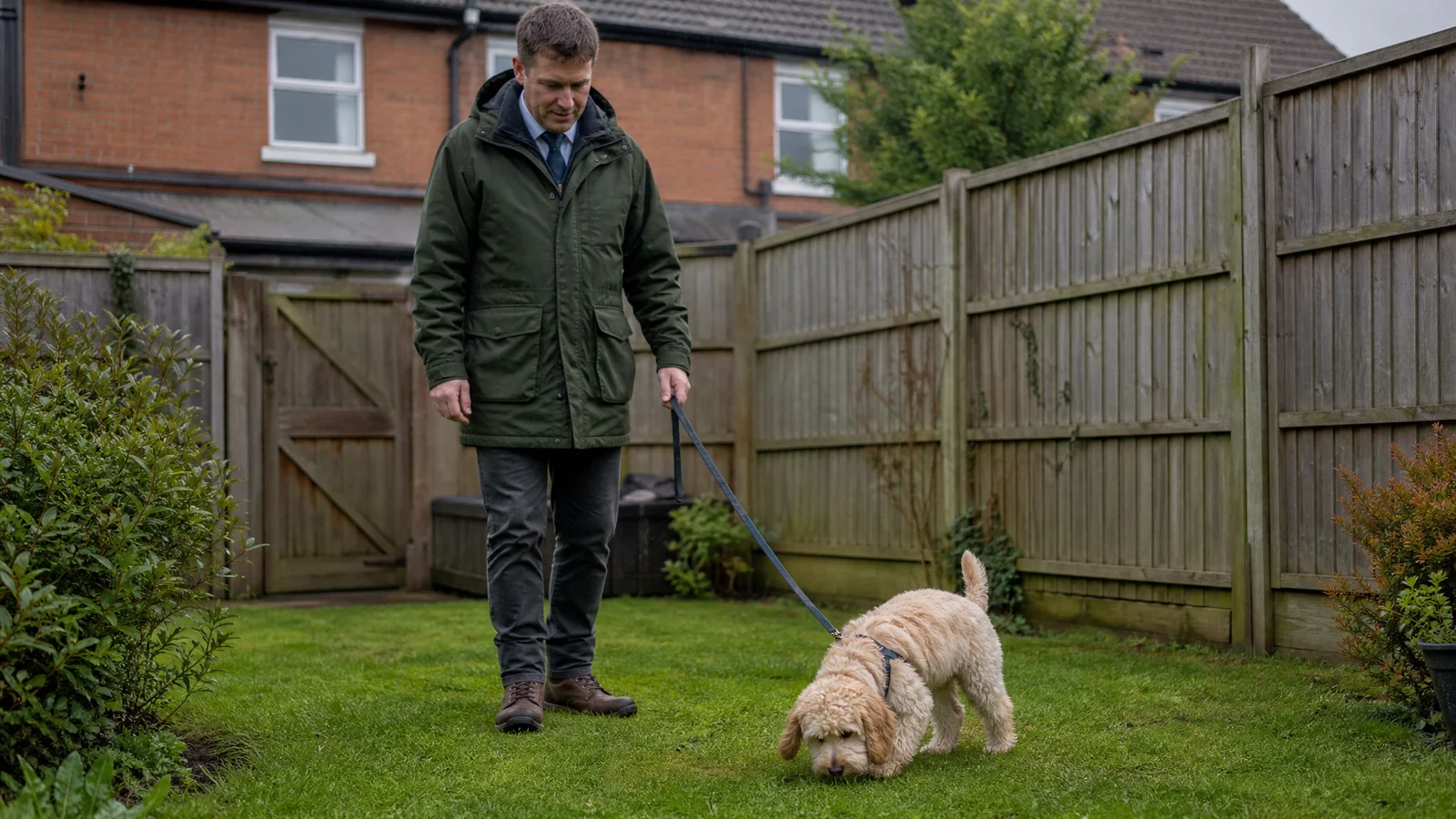
Reinforce slack while it exists, and stop forward access when the leash tightens. Signal direction changes and reward the dog for following without tension. Our Cockapoo leash training guide separates pulling, greeting pressure, frustration, and concern so each receives a different setup.
- Begin on a quiet route where the Cockapoo can eat, sniff, and turn with you.
- Reward near your walking line before the dog travels to the leash's full length.
- Add distance from people or dogs before attention disappears completely.
- Use short successful stretches within a real walk instead of demanding constant formal position.
Recall Foundations
Start recall in a secure setting or on suitable equipment. Give the recall word once, then move so following you becomes inviting, and reward arrival generously. Release back to safe activity often enough that coming to you does not always predict the end of everything interesting.
Increase one difficulty at a time, such as distance, novelty, or mild distraction. A Cockapoo who cannot return is showing that the current version exceeded their preparation. Reduce the question and rebuild rather than repeating the cue until it loses meaning.
Social Distance
When another dog or person becomes difficult, use distance before asking for more behavior. The distance exercise starts where a dog can notice a calm helper without reacting, then rewards before moving away. Controlled space keeps learning possible and protects both dogs.
Greeting is not the default goal. Passing calmly, turning away, or checking in may be the more useful outcome. Let the individual Cockapoo's comfort determine whether social contact belongs in the plan rather than relying on a friendly breed stereotype.
Training Setbacks Change the Plan
The fifth decision is what the setback means. A missed cue may reflect unclear information, low reward value, excessive distraction, fear, fatigue, or physical discomfort. Intensifying the demand before identifying the weak layer can make the next attempt harder to interpret. Read the setup in plain behavioral terms, then change only the part most likely to matter.
Confusion
Return to the smallest version and check your timing. Present the cue once, mark the first correct response, and deliver the reward where it supports the behavior. If success returns, rebuild gradually and avoid changing several features together.
Lost Motivation
Reassess what the dog wants now. A reward that worked in the kitchen may lose value outdoors, and play that worked after rest may be too activating late in the day. Change the outcome or lower the environmental cost before concluding the Cockapoo refuses to learn.
Fear or Overload
Create distance and stop the exercise when the dog cannot re-engage. Avoid forcing proximity in the name of socialization or proof. A qualified behavior professional committed to rewards can assist design controlled exposures when safe space is hard to maintain or reactions remain intense.
Sudden Change
Regular vet visits establish a baseline for movement, comfort, appetite, sleep, and behavior. Ask your veterinarian about a sudden training regression, altered tolerance for touch, or a new inability to perform familiar actions. A physical problem needs assessment, not a more valuable treat.
Cockapoo Training for the Long View
Training does not end when the dog performs a cue in one setting. Maintain useful skills through ordinary life, reward them often enough to preserve value, and revisit easier versions after illness, travel, household change, or a long break. Generalization and maintenance are part of the behavior, not optional polish.
Puppy priorities will give way to adolescent distractions and adult routines, while older dogs may need different surfaces, rewards, or physical expectations. Continue to compare the plan with the individual in front of you. Parent-breed traits remain possible influences throughout life, never deterministic instructions.
The complete system is simple to describe even when the details are personal: observe, choose a clear behavior, reinforce it, expand conditions gradually, and reassess when the response changes. That cycle gives a Cockapoo room to be an individual while giving the household a consistent way to teach.
 Training basicsWhy Is My Cockapoo So Clingy? Teaching Calm Time Alone
 Exercise and jobsIs Your Cockapoo Hyper? Exercise That Helps Them Settle
 Training basicsHow to Potty Train a Cockapoo Puppy Without Guesswork