 Cockapoo
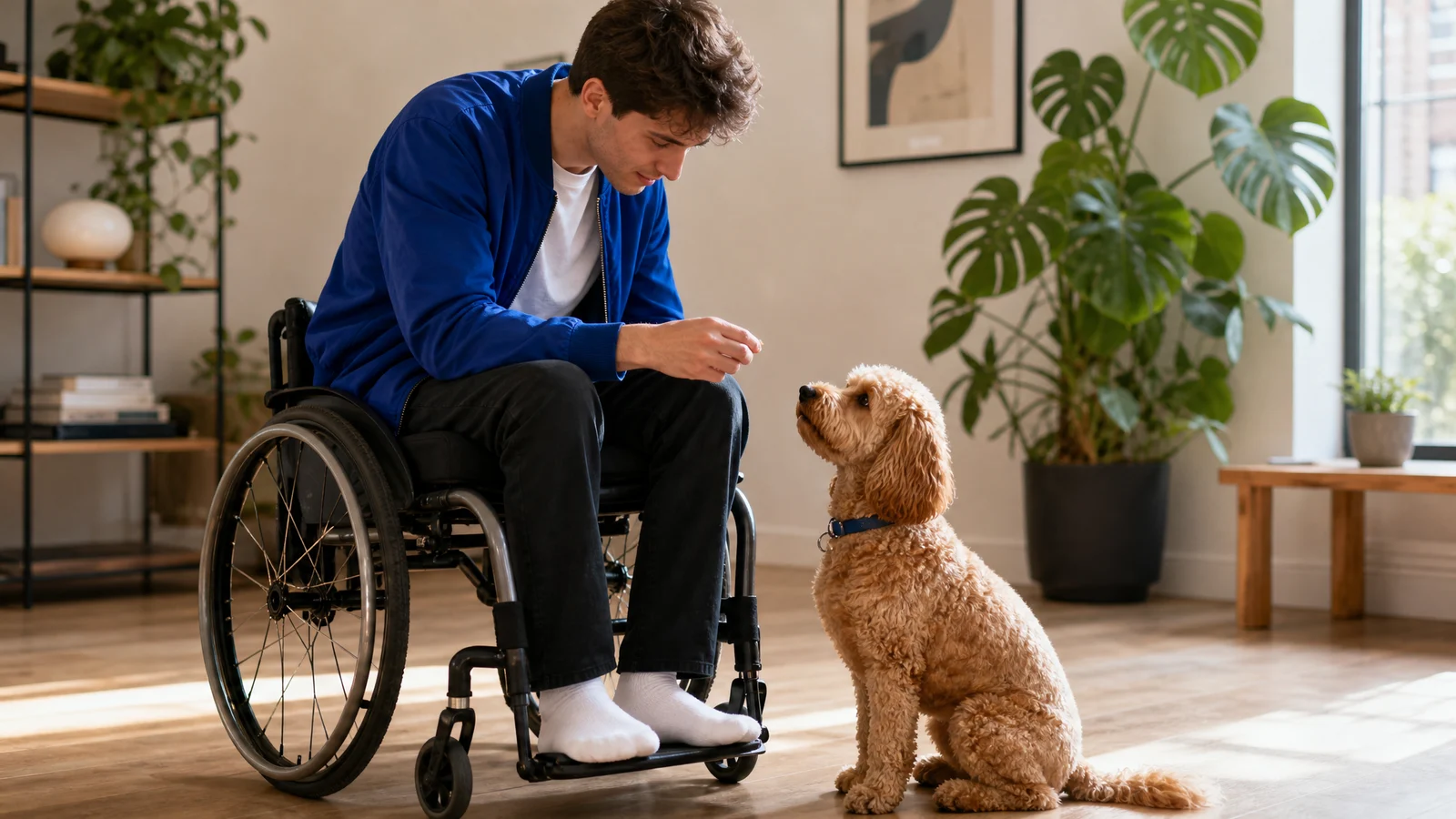
Are Cockapoos easy to train? They can be responsive learners, but a useful answer cannot stop at yes. A designer cross does not receive a guaranteed package of Poodle intelligence and Cocker Spaniel eagerness. Each dog brings their own motivation, comfort, history, health, and response to the environment.
The better question is what helps this Cockapoo learn clearly. This article looks at temperament from the wide household picture down to reward choice, cue timing, distraction, and recovery after a mistake. We will use parent-breed descriptions only as possible influences, then rely on direct observation to decide whether the plan is fair, understandable, and worth repeating for the individual.
That approach replaces a flattering label with information you can actually use. It also leaves room for the dog to change across settings and life stages.
Cockapoo Temperament in Daily Life
Temperament is visible across ordinary situations, not captured by one exciting training session. Notice how the dog approaches new spaces, responds to touch, rests around household activity, seeks interaction, and recovers after a surprise. These observations establish the conditions in which learning will be easiest. They also prevent one energetic or hesitant moment from becoming an inaccurate personality verdict.
A Cockapoo who eagerly follows movement in the kitchen may seem highly trainable there and become unable to respond on a busy sidewalk. Another may ignore food after a stressful event but work happily for play at home. Neither pattern proves intelligence or stubbornness. It shows that behavior changes with context. Repeat the comparison under calmer conditions before deciding what the dog finds difficult.
Ancestry as Context
Poodle and Cocker Spaniel descriptions can raise reasonable hypotheses about social interest, activity, or reward preference. They cannot tell you which influence appeared, how strongly, or whether a behavior came from inheritance at all. Start with the dog you can observe and let ancestry remain background context.
Sleep, physical comfort, and prior activity also affect the picture. A dog who cannot settle, moves differently, or suddenly withdraws from a familiar lesson may not need a more persuasive trainer. Compare the change with their normal day and protect comfort before evaluating trainability.
Look for consistency across several ordinary moments rather than making a personality judgment from one response. Interest during breakfast may coexist with caution around visitors or low engagement after a busy outing. Temperament is the pattern across contexts, and training works best when those contexts remain visible.
What Makes Trainability Look Easy?
Training looks easy when the dog understands which behavior earns a useful result in a manageable setting. Clear timing, a valuable reward, and a small enough step can make learning appear quick. Remove any of those pieces and the same dog may look distracted or confused.
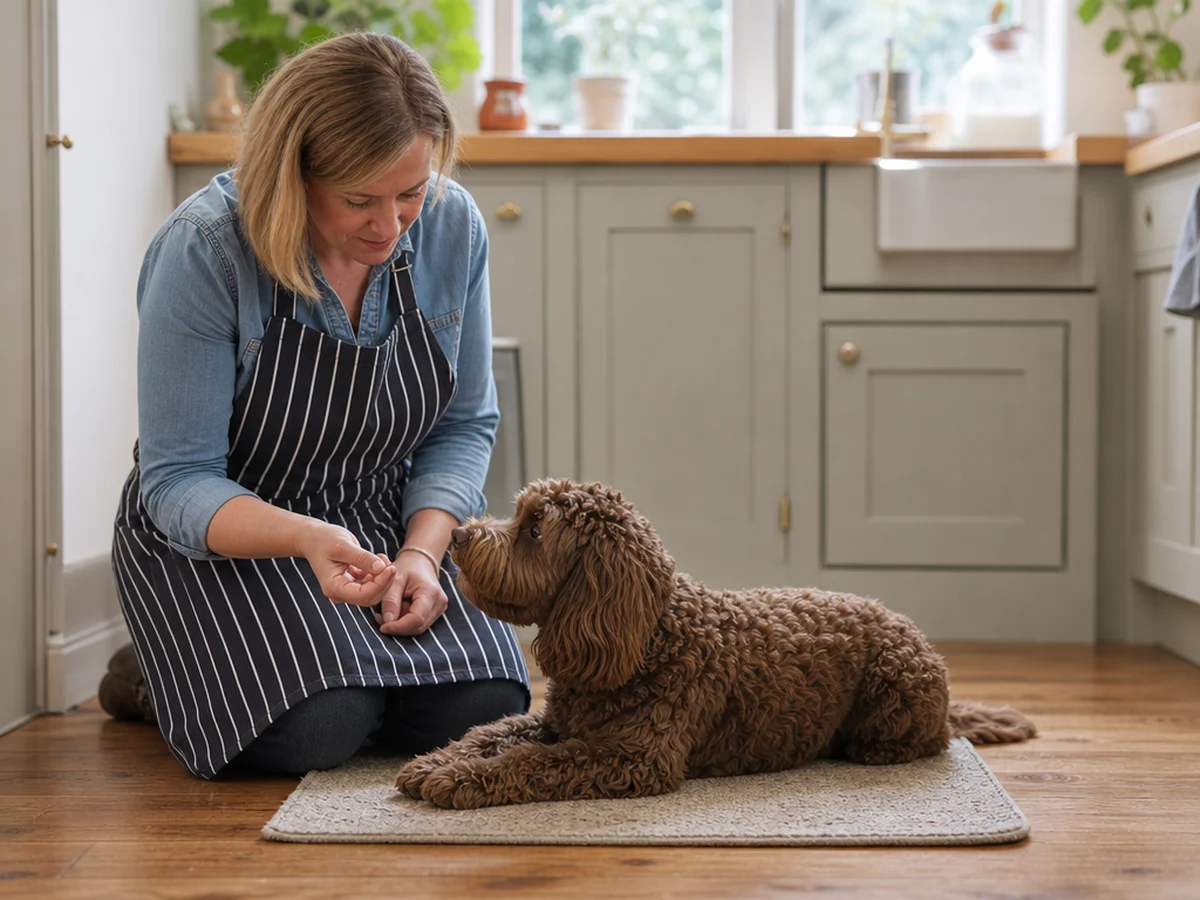
Reward-based structure is not an absence of rules. The humane methods standard explains that routine and guidelines can be taught without fear or pain. For a Cockapoo, that means arranging choices the dog can understand and making the wanted choice pay reliably.
Define the behavior before asking for it. Instead of expecting the dog to be good at the door, decide whether you want four paws on the floor, a pause on a mat, or eye contact before the door opens. A specific answer gives both person and dog something observable to repeat.
- The cue appears once, just before the dog has a fair chance to respond.
- The marker identifies the successful moment rather than the entire sequence.
- The reward arrives promptly and matches what the dog values in that setting.
- The next repetition changes only after the current version looks comfortable.
We call this clarity, not natural obedience. A dog who learns one behavior quickly still needs practice in new rooms, around new people, and at different levels of activity. Easy early learning can tempt a person to skip those layers and then blame temperament when the behavior falls apart elsewhere.
Reward Choice Reveals Cockapoo Personality
Move closer to the lesson by watching what the dog works to obtain. Food, play, praise, sniffing, distance, access to a person, or the chance to continue moving may hold different value. Preference can change within a day, so the best reward is the one this Cockapoo wants under the current conditions. Value is something to observe repeatedly, not a permanent personality category.
Test Value Without Pressure
Offer two safe familiar rewards in a quiet setting and notice which one the dog chooses readily. Then use the preferred option for an easy known behavior. If interest disappears, consider whether the setting became harder or the dog needs a break before assuming the reward itself failed.
Keep comparisons simple. Change one feature so understanding and reward value remain visible, especially when excitement could resemble confusion.
Use Everyday Outcomes
Rewards do not need to arrive only from your hand. A loose leash can lead to a sniff, calm paws can open the route to a greeting, and waiting can make a door open. These outcomes connect training to the dog's real goals while keeping access dependent on behavior they can perform comfortably.
Motivation also matters around unwanted but ordinary choices. The rewarding recall advice recommends calling a dog away from feces in a friendly voice and offering something better. The example shows why a useful alternative and a stronger outcome teach more than a label about personality.
Do not infer a fixed Cocker Spaniel appetite or Poodle love of work from one response. Those parent descriptions may suggest options to test, never a reward hierarchy the cross must follow. Recheck value whenever the Cockapoo's engagement changes.
Does Temperament Change Under Distraction?
Temperament does not switch off outdoors, but the environment can overwhelm behavior learned in a quiet room. Test a familiar cue after adding one modest distraction. The dog's response reveals whether the lesson generalized to that version, not whether they know it everywhere.
Distance Before Difficulty
Begin far enough from movement, sound, people, or dogs so the Cockapoo can still notice you and accept a reward. Ask once, reinforce success, and leave room for recovery. If the dog cannot respond, increase distance or simplify the behavior instead of turning the cue into repeated background noise.
Excited social interest and concern can look similar from a distance. Both may produce staring, pulling, vocalizing, or lost attention. Watch the full sequence, especially whether the dog tries to approach or avoid and whether more space restores engagement. Do not infer emotion from a single visible action.
Our Cockapoo leash training guide applies this distinction to walks. It separates ordinary pulling, greeting pressure, frustration, and concern so distance and rewards can be adjusted to the behavior actually occurring.
A quick learner may also anticipate patterns before the person realizes a pattern exists. If the dog performs a different behavior, ask whether that answer was rewarded in a similar setup. Careful observation often reveals a cue or body movement that became more informative than the word you intended.
Change the test only after the dog succeeds in the current version. Moving from a quiet room to the front yard already changes sound, smell, space, and movement, so adding a visitor at the same time hides the cause of difficulty. Smaller transitions produce cleaner information and more rewardable choices.
Recovery Shows Temperament Progress
Now zoom in on what happens after difficulty. A dog who can pause, reorient, and try an easier version is showing flexible learning, even if the first response was not correct. Recovery gives better information than demanding a perfect sequence from a dog who is tired, startled, or overexcited.
| Observation | What it may mean | Plan adjustment |
|---|---|---|
| The dog returns after a brief pause | The step was challenging but still recoverable | Repeat an easier version and reward engagement |
| The dog guesses several behaviors rapidly | The cue or reward location may be unclear | Reset the setup and reinforce one simple answer |
| The dog disengages and remains unable to eat or play | The environment or emotional load may be too high | Create distance, end the lesson, and reassess later |
A marker can improve precision when it has been paired carefully with a reward. The marker training guide begins by establishing that the sound predicts food in a calm place. Whether you use a click or a short word, the marker should clarify the successful instant rather than rush the dog.
Track progress through broader abilities such as settling faster, responding in a slightly different room, or returning attention after a mild distraction. Avoid invented deadlines and comparisons with other Cockapoos. The meaningful change is that this dog can succeed under conditions that previously made the lesson unclear.
Include voluntary participation in that reading. A dog who approaches the training area, returns after a pause, and remains interested in the outcome is giving useful feedback about the setup. Reluctance or repeated withdrawal means the next decision should reduce pressure and examine comfort, not demand enthusiasm.
For a foundation that connects markers, household outcomes, and outdoor skills, use our guide on how to train a Cockapoo. A shared system makes it easier to tell whether a setback comes from the behavior, the environment, or inconsistent information.
When Cockapoo Training Needs More Help
Trainability also includes the ability to pause without losing trust in the lesson. A well-fitted plan allows breaks and makes returning possible, which tells you more than forcing another repetition from a disengaged dog.
The plan is fitting when the dog approaches sessions willingly, understands the simple version, recovers after manageable errors, and can extend the skill through gradual changes. Progress may be uneven while those signs remain present. Reward value and environmental difficulty should still be reviewed whenever performance shifts.
Arrange regular vet visits so changes in movement, appetite, sleep, attention, or touch tolerance have a health context. Seek veterinary guidance for a sudden behavioral change or possible discomfort. Physical concerns can alter learning, and increasing practice cannot answer a medical question.
A qualified reward-based trainer can help when cues remain unclear across carefully managed settings. Persistent fear, intense reactions, or difficulty maintaining safe distance calls for a qualified behavior professional working within their scope. Our Cockapoo potty training guide also shows how a narrow household skill can be assessed through opportunity and outcome rather than a smart-dog label.
Cockapoo trainability is not a verdict inherited from two parent breeds. It is an ongoing reading of what helps one dog understand, choose, and recover. Keep the possible influences in perspective, make the next question clear, and let the individual response decide what the training plan becomes.
 Puppy trainingIs Your 6 to 8 Month Old Cockapoo Biting or Aggressive?
 Exercise and jobsJobs and Brain Games for a Smart Cockapoo
 Training basicsCockapoo Training From Day One: A Reward-Based Guide