 Cockapoo
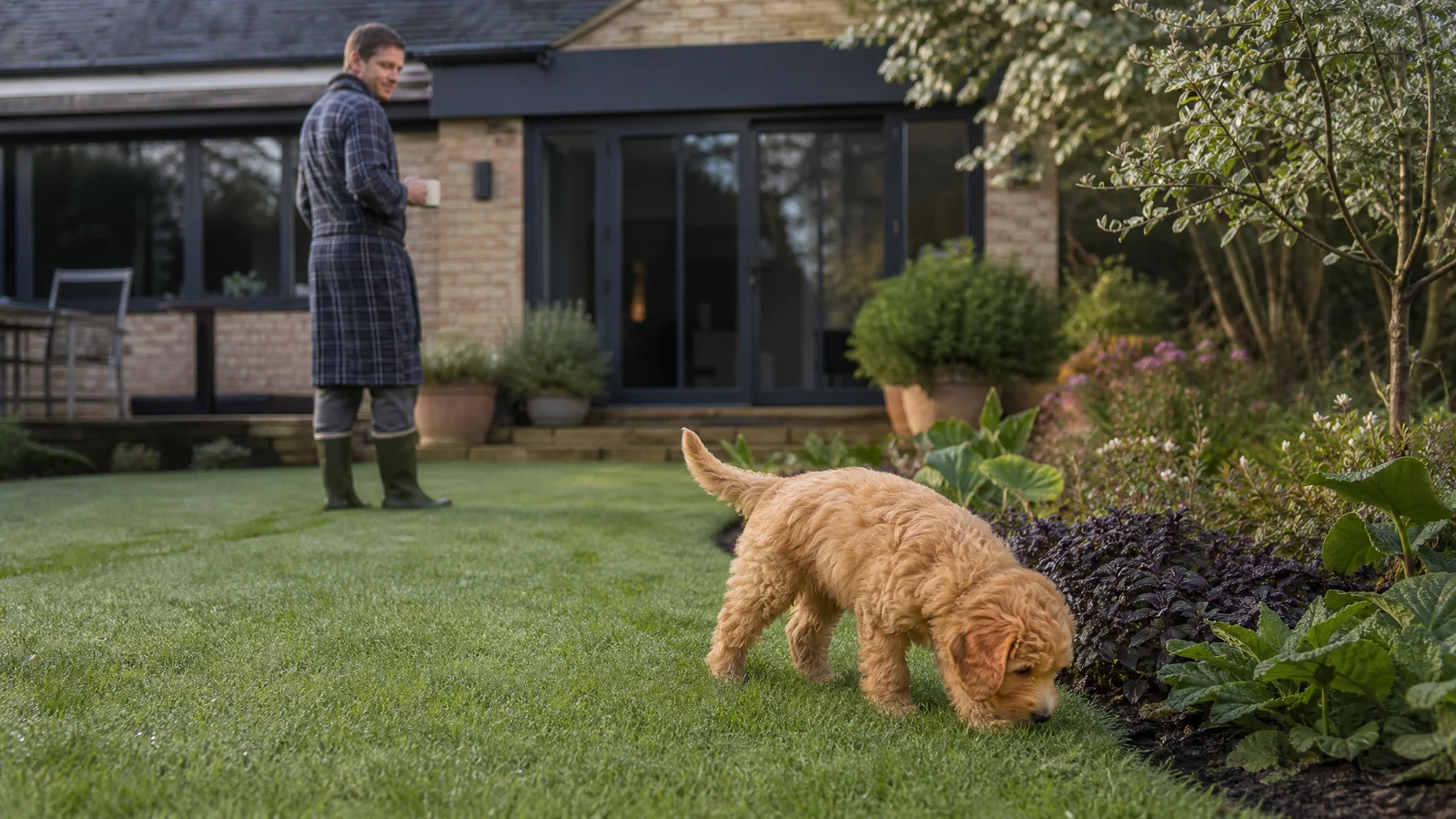
A potty schedule is useful only if it changes when your Cockapoo puppy needs something different. The clock can remind a person to offer a trip. It does not observe a puppy waking, finishing an energetic game or starting to look for somewhere to go. Those events belong in the plan alongside your household's daily commitments.
Below, we build an adjustable day around opportunities, supervision and caregiver coverage. The sample schedule follows everyday transitions, with waiting periods adjusted to your puppy's observed needs. You will also learn what to record after each trip, how to reward the outdoor finish and when repeated accidents call for more than a calendar change.
Anchors for a Cockapoo Potty Schedule
Start with waking, meals, drinking, play and changes between rest and activity. These are useful reminders to offer an outdoor opportunity, although the interval that suits your puppy will vary. Watch for sniffing, circling, moving away from the current activity or other signals your individual dog repeatedly shows before toileting.
Respond to a signal even when the next planned trip is not due. The schedule supports observation rather than overruling it.
Keep the route outside ready for the person supervising. An accessible leash, suitable footwear and rewards near the exit reduce delays when the puppy wakes unexpectedly. If you live upstairs or share a building entrance, allow for that travel in your planning. The trip begins when the caregiver notices the opportunity, not when the puppy finally reaches the outdoor spot.
Cocker Spaniels can be responsive to food, play and praise, which offers possible motivation for this cross. It does not predict a particular Cockapoo's timetable for reliability. Use rewards the puppy enjoys, while letting actual successes and missed opportunities determine how you arrange the day.
An Adjustable Sample Potty Schedule
Use the outline as a planning aid, then write in the times that match your household and puppy. Additional trips belong wherever observation shows a need. Keep the first version generous with opportunities, because a schedule that repeatedly asks for more waiting than the puppy can manage provides little useful practice.
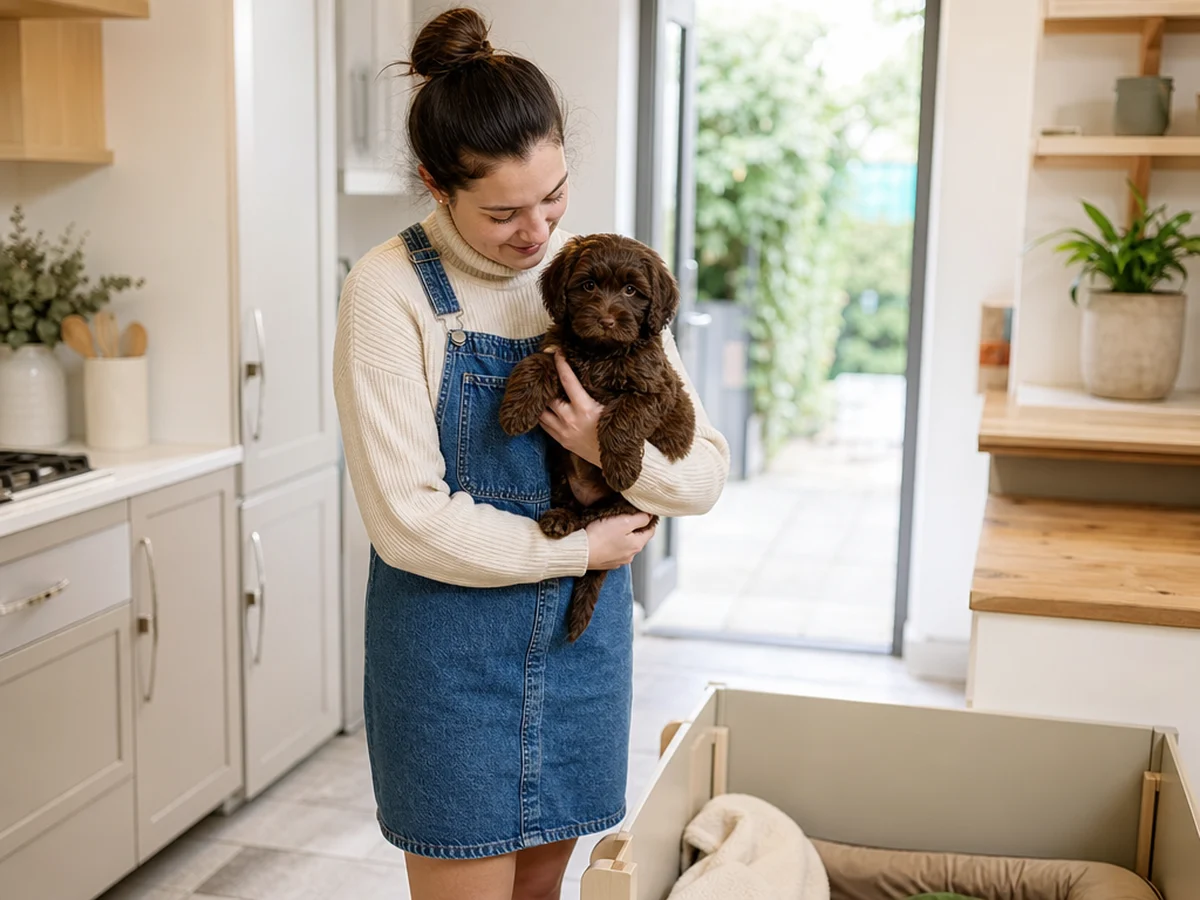
The sample also identifies what the caregiver should notice. An outdoor visit and a completed potty trip are different entries in the record.
| Part of the Day | Opportunity and Observation |
|---|---|
| On waking | Offer the outdoor trip promptly and note whether the puppy finishes before indoor activity starts |
| Around meals and active play | Include additional opportunities and observe the puppy's own pattern rather than assuming one interval |
| After daytime naps | Have the supervising person ready for the waking transition |
| During evening activity | Keep watching as household routines become busier or supervision changes |
| Before sleep and overnight as needed | Offer a final opportunity and arrange calm help for a puppy who needs another trip |
A gap in coverage needs a human solution. Arrange a suitable caregiver or change the household plan instead of expecting the puppy to bridge an inconvenient absence through determination.
Keep the broader Cockapoo potty training guide beside this scheduling plan. It explains the outdoor routine and supervision foundations. Here, the practical task is ensuring someone can carry out that routine at the moments your puppy actually needs it.
Plan for the weather your household actually encounters. Keep appropriate outdoor clothing ready for the adult and allow time for a calm return, including drying a wet coat when needed. If rain or a busy shared entrance makes the route harder to use, arrange help and a suitable destination before that difficulty repeatedly delays the puppy's opportunity.
Caregiver Coverage in the Cockapoo Potty Schedule
A schedule can look complete while leaving the puppy unobserved between two people's responsibilities. Make each handoff explicit: who last went outside, whether the puppy toileted and who is supervising now. This is particularly useful when several adults share care and each assumes another person handled the most recent transition.
A Handoff That Contains the Outcome
Write a brief note that the next person can understand immediately. “Outside after nap, no potty yet” calls for different supervision from “Finished outside, then came in for quiet play.” The note should describe what happened, leaving the next caregiver able to plan the following opportunity without reconstructing the entire morning.
Record the actual finish. A tick for simply opening the door can hide the reason an accident occurred soon afterward.
Keep the system convenient enough to use during a busy day. A shared note near the exit or an agreed message can work, provided everyone uses the same meaning for a completed trip. Long records that nobody updates are less useful than a clear, brief handoff that reliably reaches the next person.
Coverage When Someone Is Occupied
Plan supervision before starting a work call, cooking or another task that limits attention. A puppy may wake or need to go during that period even if the previous trip was successful. Arrange another caregiver when necessary, and keep the puppy in an appropriate supervised area instead of allowing unnoticed wandering through the home.
Management must suit the puppy's comfort and needs. A resting area should not be used to force them to wait beyond what they can manage.
Consider the route as part of coverage too. Someone unable to take the puppy through shared hallways or down stairs cannot fully cover an outdoor opportunity simply by being in the room. Agree on practical help ahead of time. The Cockapoo leash guide supports comfortable movement as those everyday skills develop.
Potty Rewards at the Outdoor Finish
Take the puppy to the appropriate spot and give them a calm opportunity to finish. Keep your attention on what they do, rather than beginning an exciting game immediately. A familiar location and an unhurried caregiver can make it easier to distinguish toileting from the many other interesting activities outside.
Guidance on rewarding outdoor potty success places the reward after completion and while the puppy is still outside. Have it ready so the successful action and the outcome remain connected. A treat delivered indoors can make entering the house more prominent than the outdoor finish.
Allow the finish before praising enthusiastically or offering food. Then reward in a way the puppy enjoys without overwhelming the moment. If suitable, continue with a little calm outdoor time afterward, so toileting does not always end access to the surroundings. Use the same simple sequence across caregivers rather than adding several competing instructions.
An unsuccessful visit calls for continued observation indoors and another prompt opportunity suited to your puppy. Do not record the visit as a completed potty trip, and do not assume that being outside means the next stretch indoors is automatically free from risk.
Nighttime Within the Potty Schedule
Plan a calm overnight response before the first unsettled night. Young puppies may need help getting outside, and daytime success does not prove that they can manage a long sleep period without a trip. Arrange the sleeping location and caregiver access so a genuine need can be addressed without a hurried search for equipment.
Keep the trip simple. Low-key movement and a familiar outdoor destination help preserve the difference between a potty opportunity and the start of daytime play.
- Prepare what the adult needs before bed, including the leash and a safe route outside.
- Respond to the puppy's needs and offer a calm opportunity, keeping supervision close throughout the trip.
- After completion, return to the familiar resting arrangement and note any pattern that may change the next night's plan.
Advice on puppy toileting routines recognizes that young puppies may not manage the night without help. Adapt to the puppy you have rather than comparing their nights with another dog's reported progress. If the pattern changes unexpectedly, discuss it with your veterinarian.
Accidents That Revise the Potty Schedule
Clean up calmly and use the accident to inspect the preceding gap. Was there an unnoticed waking, an unsuccessful outdoor visit or a handoff that left nobody actively supervising? The useful adjustment is usually specific. “Offer a trip after that nap” is more actionable than deciding the puppy should somehow understand the household's expectations better.
Do not make cleanup a confrontation. The accident already happened, and your next useful choice concerns the opportunity that follows.
Reward-based training principles support making the desired behavior worth repeating. For a potty schedule, that means clear outdoor opportunities and a reward at the appropriate finish. Keep the environment manageable between trips while the puppy learns, instead of relying on a response to mistakes to explain the correct destination.
- Compare the accident with the last confirmed outdoor finish, not merely the last visit outside.
- Note any meal, drink, waking or active play that occurred during the interval.
- Change the next similar opportunity and observe whether that specific adjustment helps.
Use a suitable pet cleanup product according to its instructions, keeping the puppy away while you clean. Return the area to a manageable state and review access if the same place is repeatedly chosen. Cleaning and schedule changes work together, rather than expecting one to substitute for the other.
When Potty Training Needs More Than a Calendar
Persistent accidents can have more than one explanation. Review opportunity, supervision and reward timing, but do not keep extending the same training experiment when the pattern is unusual or worsening. A sudden change after a reliable period deserves attention even if the household schedule looks unchanged.
Keep regular veterinary checkups scheduled. Contact your veterinarian about repeated accidents despite a consistent routine, difficulty passing urine, unusual thirst or other changes in the puppy's comfort and ordinary behavior. Describe what you have observed rather than assigning a cause from the location of the accident.
The notes you kept can help that conversation. Bring the timing of opportunities and actual outcomes, including what happens overnight. After those health questions have been addressed, seek a reward-based professional's help with any training or household arrangement that remains difficult to manage.
A Cockapoo Potty Schedule That Can Grow
Review the plan as a record of what currently works, adjusting opportunities when your puppy's pattern or the household changes. Keep successful outdoor trips rewarding and caregiver handoffs clear while reliability develops. The best schedule is one people can follow and the puppy can comfortably use, with enough flexibility to respond before a new need becomes another missed opportunity.
 Training basicsAre Cockapoos Easy to Train? Read the Individual Dog
 Puppy trainingIs Your 6 to 8 Month Old Cockapoo Biting or Aggressive?
 Exercise and jobsJobs and Brain Games for a Smart Cockapoo