 Cockapoo
11 Cockapoo training topics
Every common Cockapoo challenge, with first steps and guides to read.
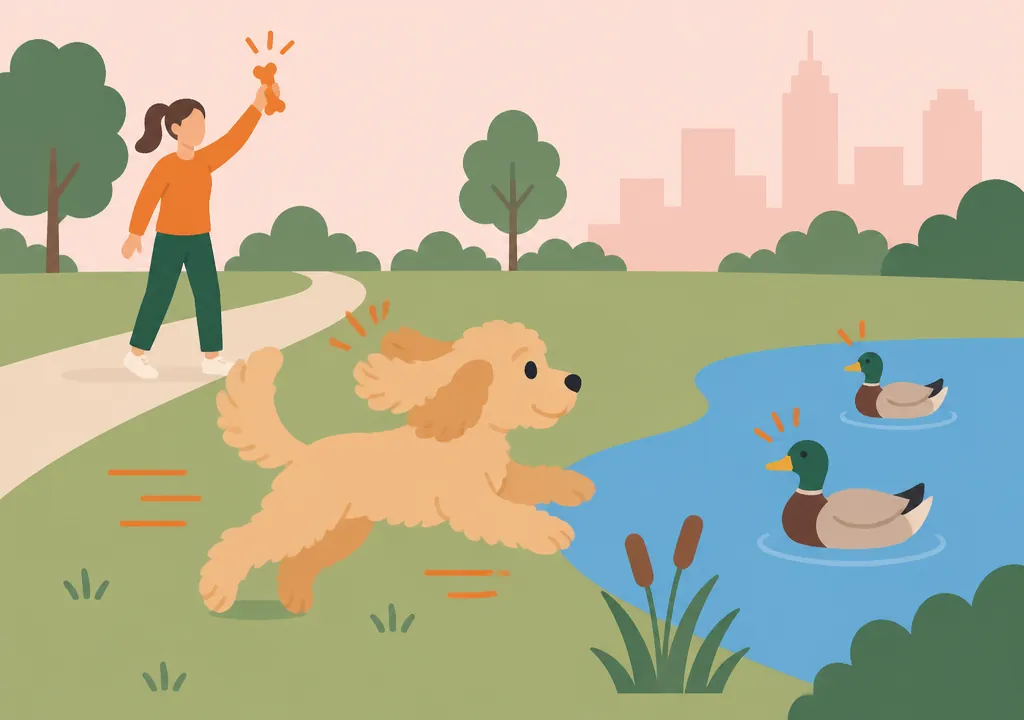
Running off
A recall that beats every smell in the park.
A Cockapoo following a smell has somewhere to go. Your recall needs to offer an equally clear destination: return close enough to collect a reward, stay available for a moment, then learn what happens next. Running vaguely in your direction before circling back to the grass is a different response from arriving where you can safely reconnect.
The nose matters, but it need not compete with every lesson. Cocker Spaniel scent work and the Poodle's scenting history help explain possible interests in this cross, without predicting your individual dog. Below, we build a complete return, then work out how smells, friendly people and unfamiliar places change the challenge. Exploration can remain part of a rewarding walk.
Read the full guide: Recall for a Cockapoo Who Follows Their Nose
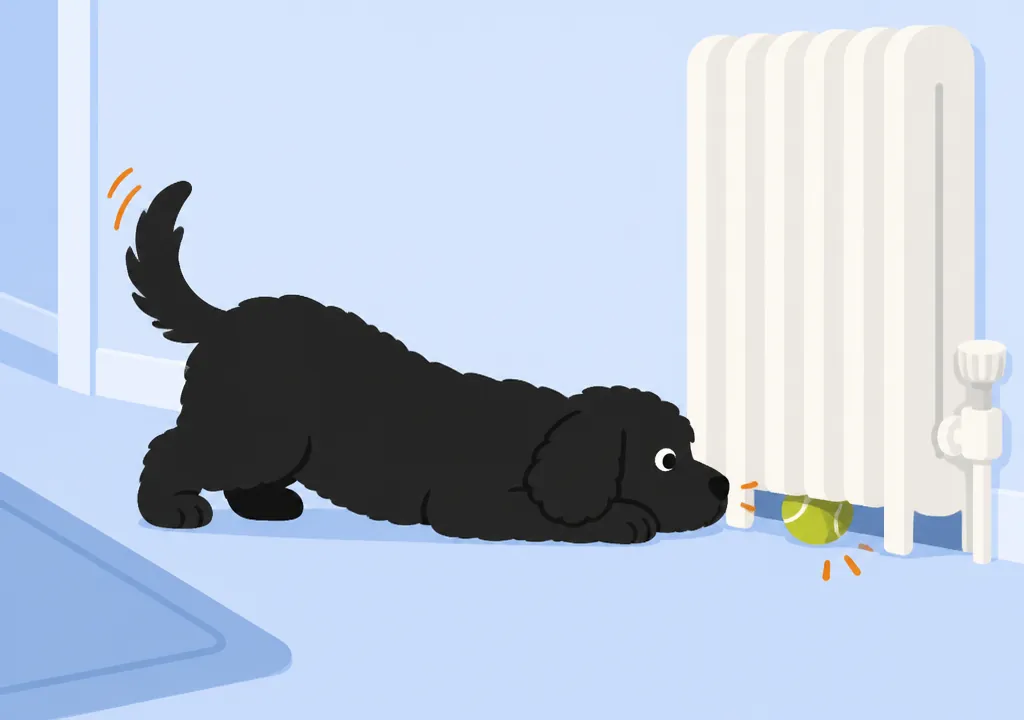
Ball obsession
Balance fetch with calm.
Putting the ball away does not necessarily end fetch for a Cockapoo. The throws may have stopped while the dog still watches your pocket, checks the storage spot or waits for another launch. A useful finish changes what your dog can do next, as well as where you keep the toy.
Enjoying a ball and struggling to disengage are different observations. A playful Poodle and Cocker Spaniel cross may love retrieving, but parentage cannot tell you how much repetition suits the individual. The response after play often gives you more useful information than enthusiasm during the chase.
Read the full guide: Balancing Fetch and Calm for a Ball-Obsessed Cockapoo
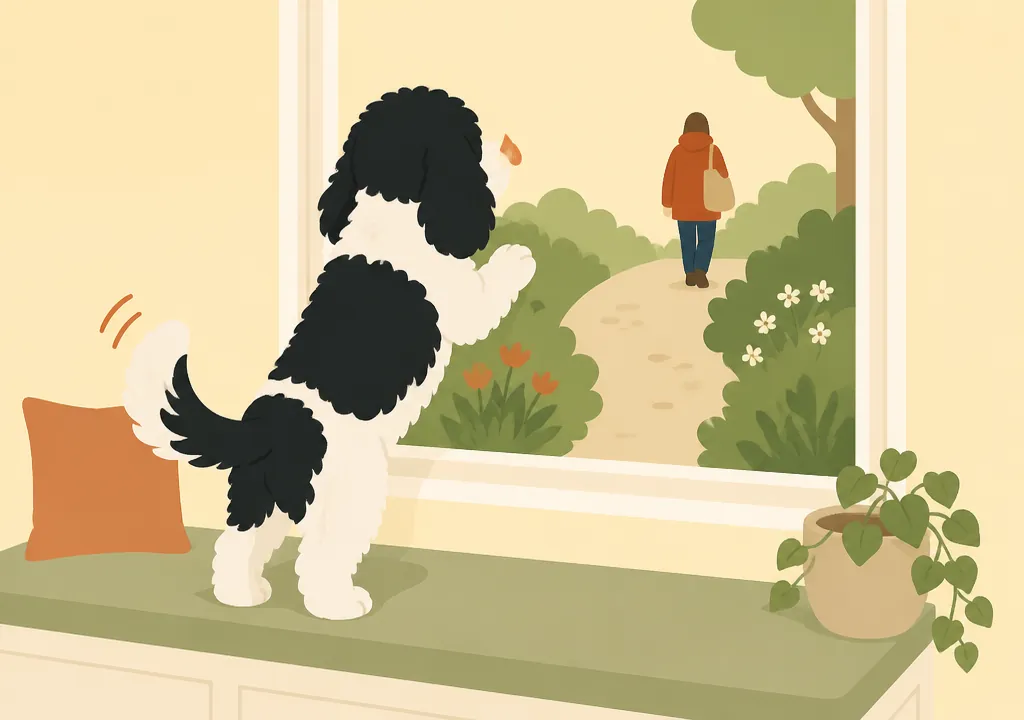
Separation worries
Calm alone time for a velcro dog.
Many Cockapoo owners report a dog who tails them from room to room and protests the moment a door closes, while others get a puppy who naps in the crate for about an hour.
The full guide uses gradual, rewarded crate practice to teach calm time alone for both kinds of puppy.
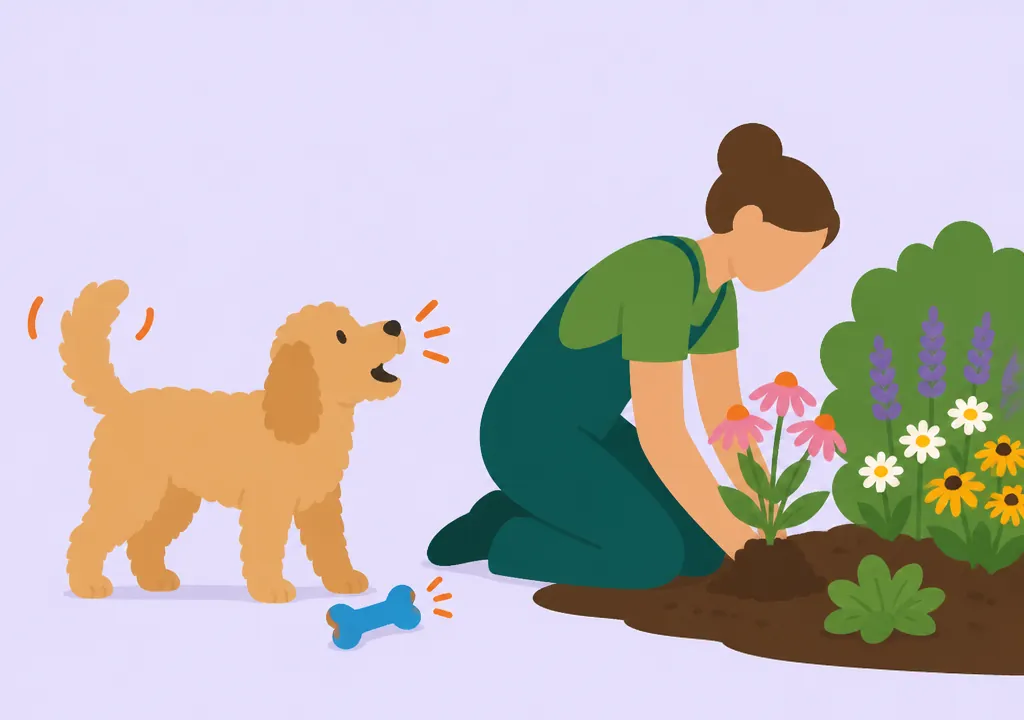
Barking for attention
Quiet ways to ask for play.
Barking for attention is a learning problem, and a Cockapoo's learning cannot be predicted from the label. A designer cross gets no guaranteed package of Poodle intelligence and Cocker Spaniel eagerness, so each dog decides which quiet request sticks.
The full guide is about temperament and trainability, from rewards to recovery.
Guarding toys
Teach a happy trade instead of a stiff stare.
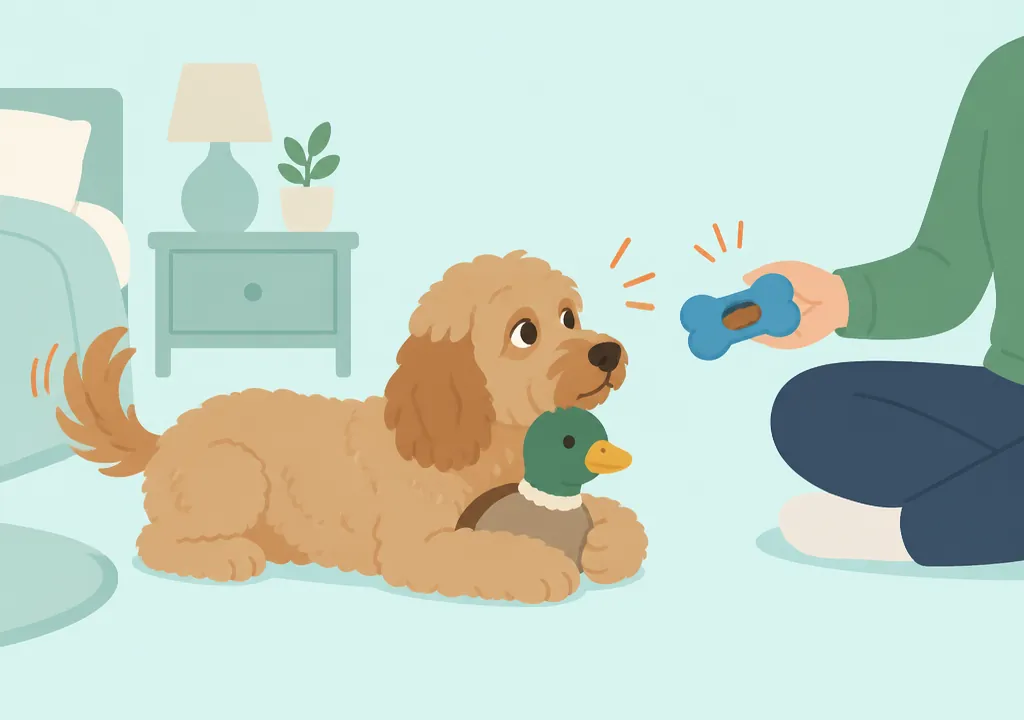
A Cockapoo can let go of a toy and still worry about the person collecting it. The release tells you where the object ended up, but the dog's posture afterward tells you more about the experience. Looking for both prevents a successful retrieval from hiding an uncomfortable interaction.
A useful trade should make cooperation worthwhile without requiring the dog to tolerate a frightening reach. If they already freeze, hover over a possession or threaten an approach, give space and obtain qualified help. Choose ordinary practice toys only when your Cockapoo can handle and leave them without tension.
Read the full guide: A Cockapoo Who Guards Toys Can Learn a Happy Trade
Jumping up
Four paws on the floor, even when excited.
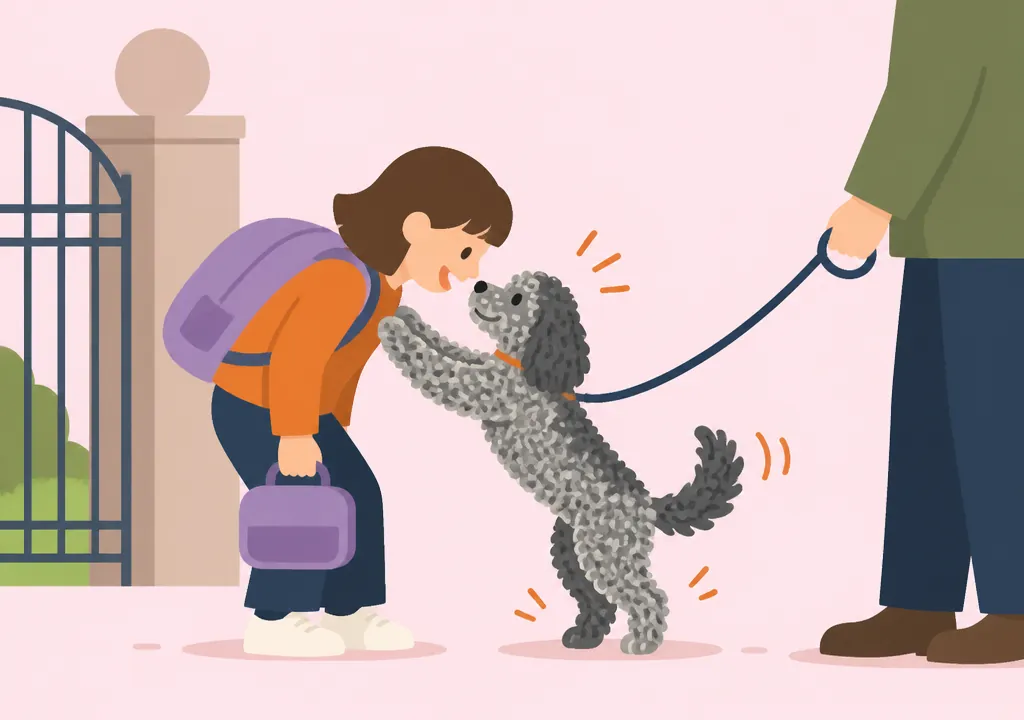
Both parent breeds score high for openness to strangers, so overexcited greetings, not shyness, are the Cockapoo problem, and they harden into habit when nobody shapes them. The earliest weeks leave the deepest impression.
The full guide covers greetings with kids, dogs and strangers, so four paws stay down at the doorbell.
Stealing and chewing
Swap socks and shoes for real chews.
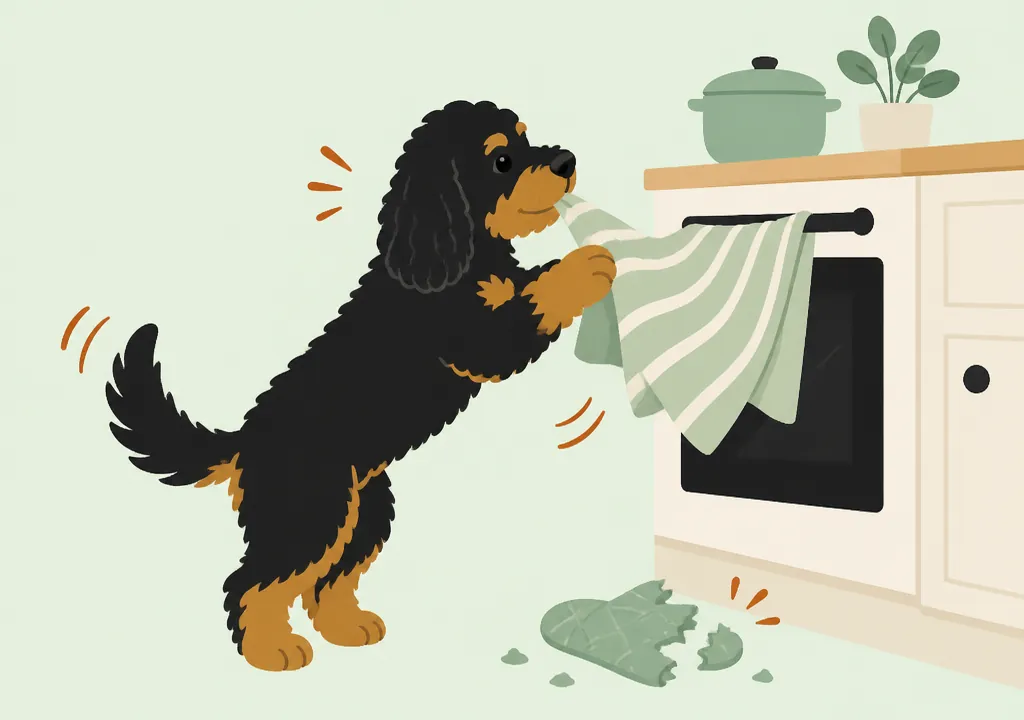
A sock usually travels through several human decisions before a Cockapoo picks it up. It leaves the drawer, lands beside the bed, moves into an open laundry basket and becomes available near the dog. Looking at that route gives you more useful prevention options than waiting for the familiar dash across the room with fabric in a mouth.
The reaction can make the object more interesting. A chase, a lively conversation or sudden shared play may add an enjoyable human response to something that already feels good to carry or chew. That does not mean every stolen object has the same purpose, or that your dog has worked out an elaborate plan.
Read the full guide: Stolen Socks and Chewed Shoes: Redirecting Your Cockapoo
House training
Clear routines for a small bladder.
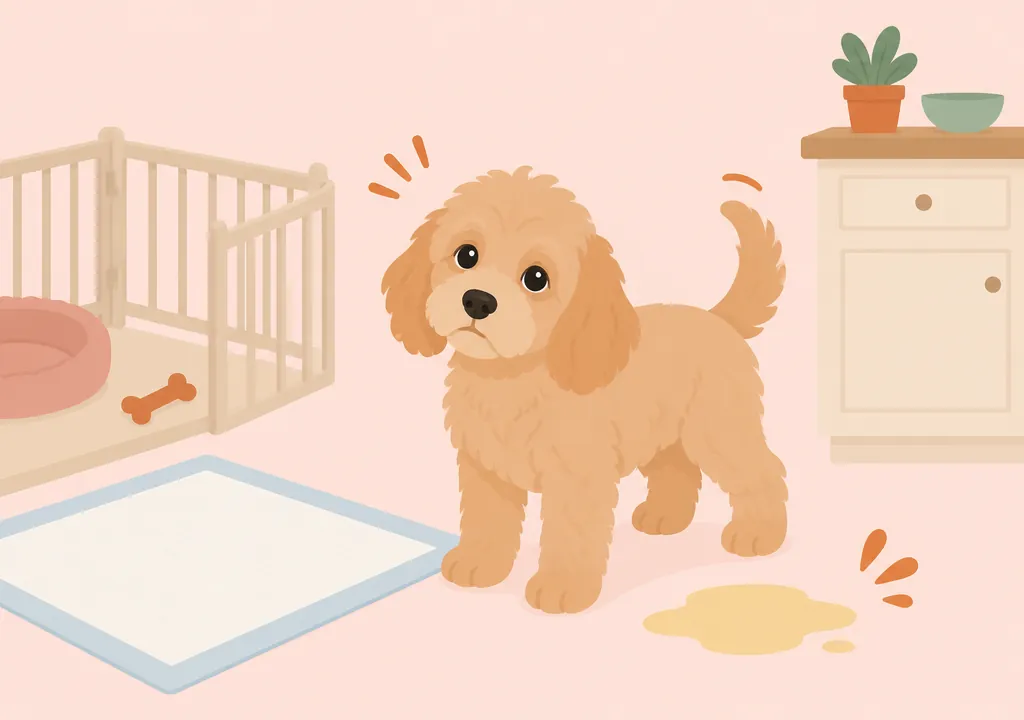
Cockapoos can learn a clear potty routine, though the label cannot promise how quickly one puppy becomes reliable. House training is easier when you control the route and the puppy only recognizes the destination.
The full guide covers preparation, the first outdoor sequence, supervision and adding freedom, with accidents as information.
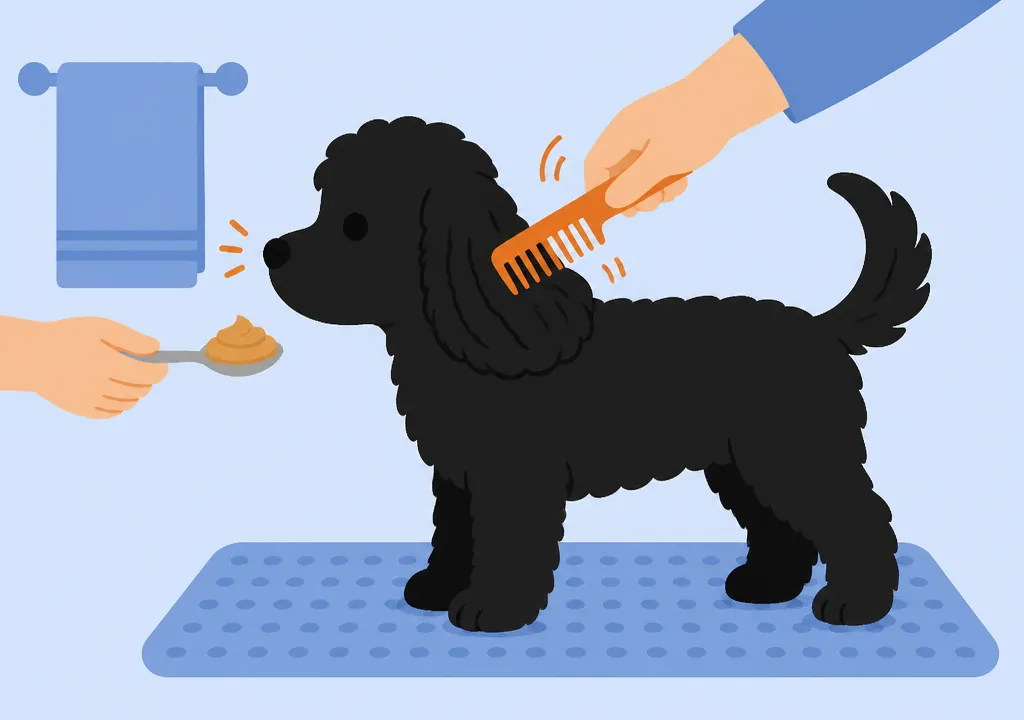
Grooming fuss
Make brushing those curls and long ears easy.
Coat grooming frequency scores 4 of 5 for both parent breeds, and the Poodle side calls for daily brushing to prevent matting unless kept in a short trim. Plan for the harder coat.
The full guide keeps sessions short and paced by treats, going slowly around face and tail.
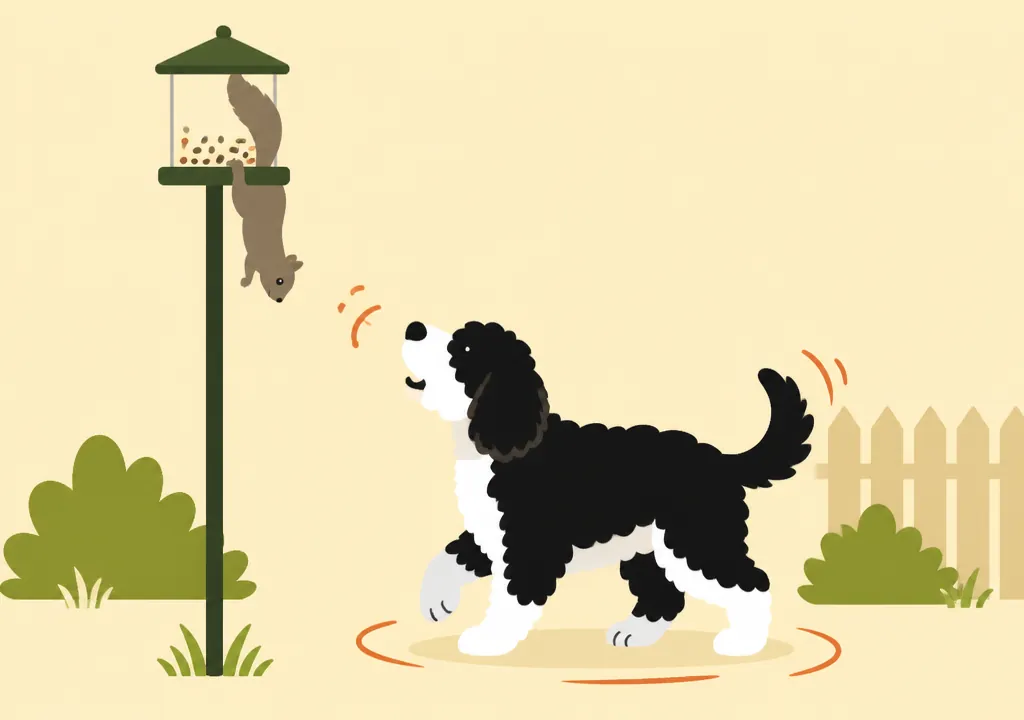
Chasing squirrels
A spaniel nose meets the backyard wildlife.
Chasing squirrels is a bright dog inventing an assignment. The Poodle parent tops the scale for mental stimulation needs, the Cocker parent earned a living with a sensitive nose, and a jobless Cockapoo picks their own.
The full guide covers jobs and brain games, with scent work and puzzles that beat wildlife.
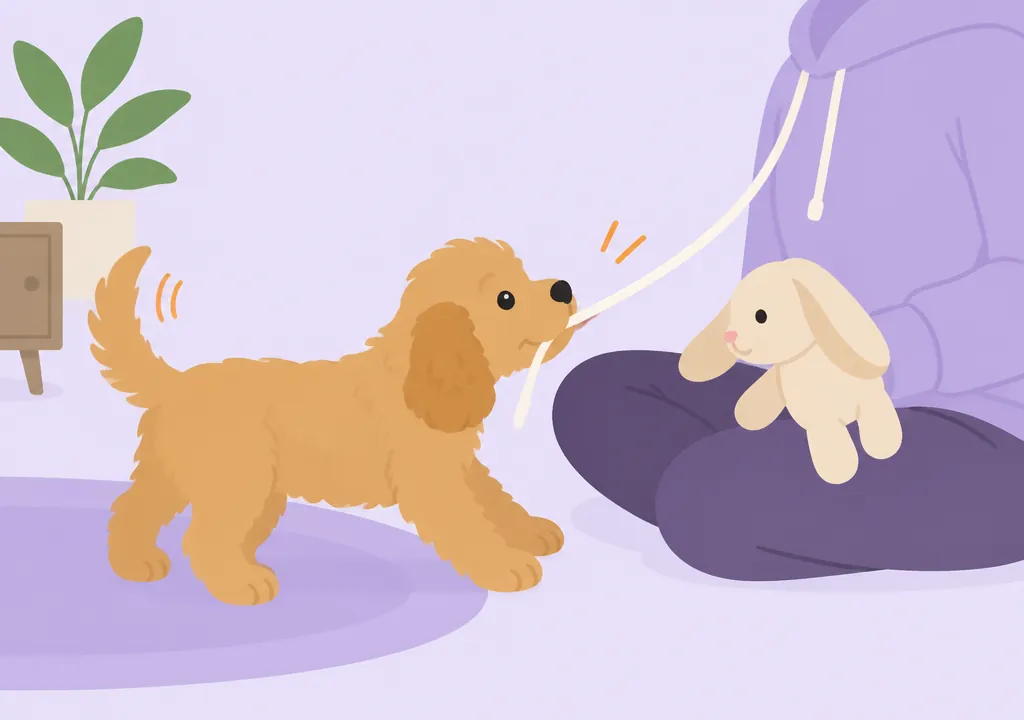
Puppy biting
Move needle teeth onto toys.
A happy seven-month-old Cockapoo lunges at your ankles, then growls over a dropped toy. This is adolescence, and owners describe pestering far more than aggression, yet handled badly it teaches biting.
The full guide covers the 6 to 8 month stage, with rewarded steps that move teeth to toys.